Modern Foreign Language
If I work hard in MFL, I could be…




MFL Road Map
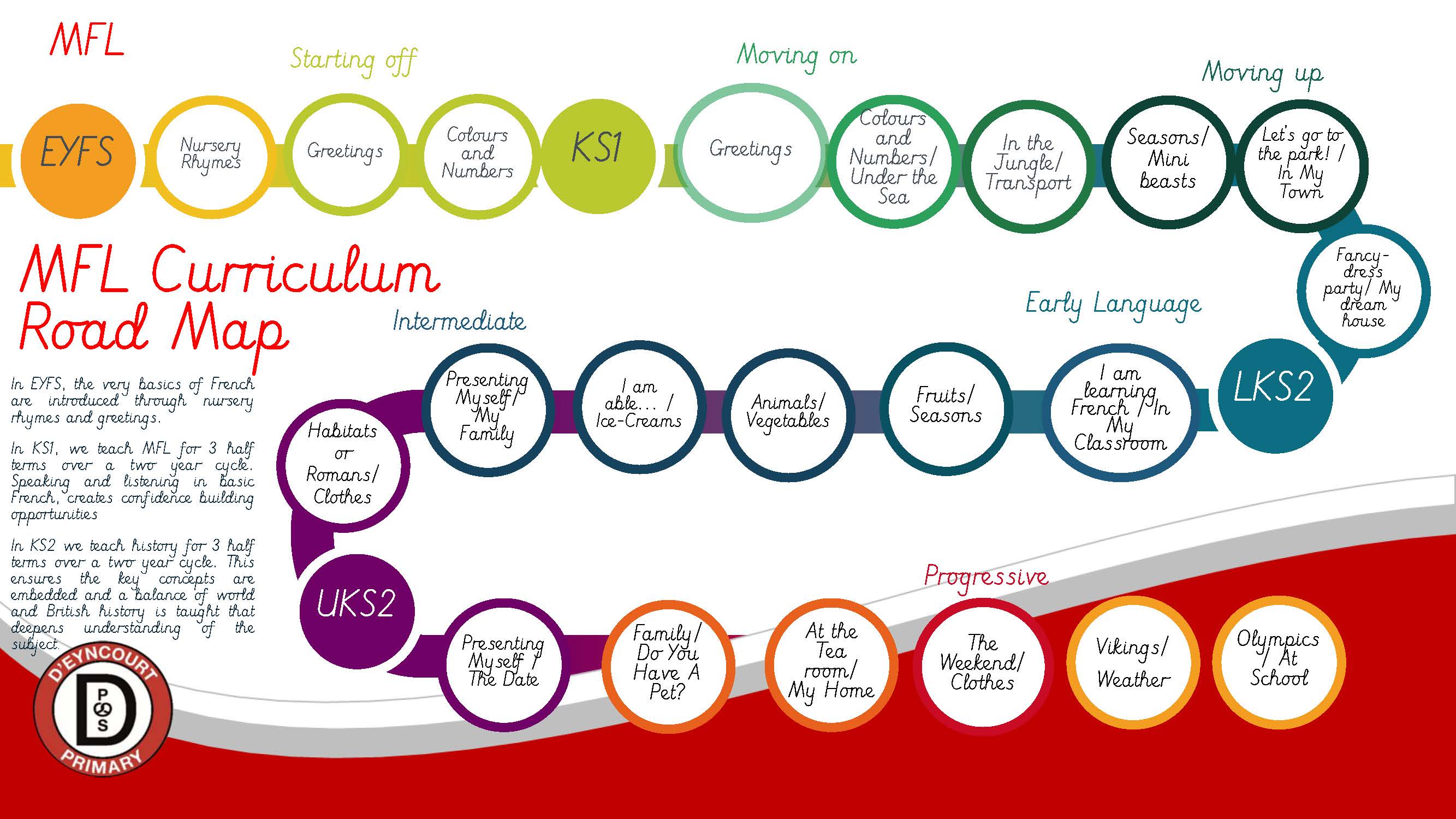
MFL is taught from Reception – Year 6.
Reception
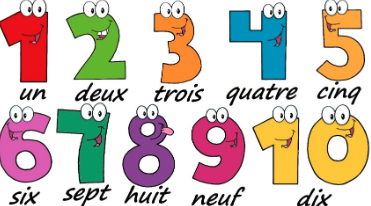
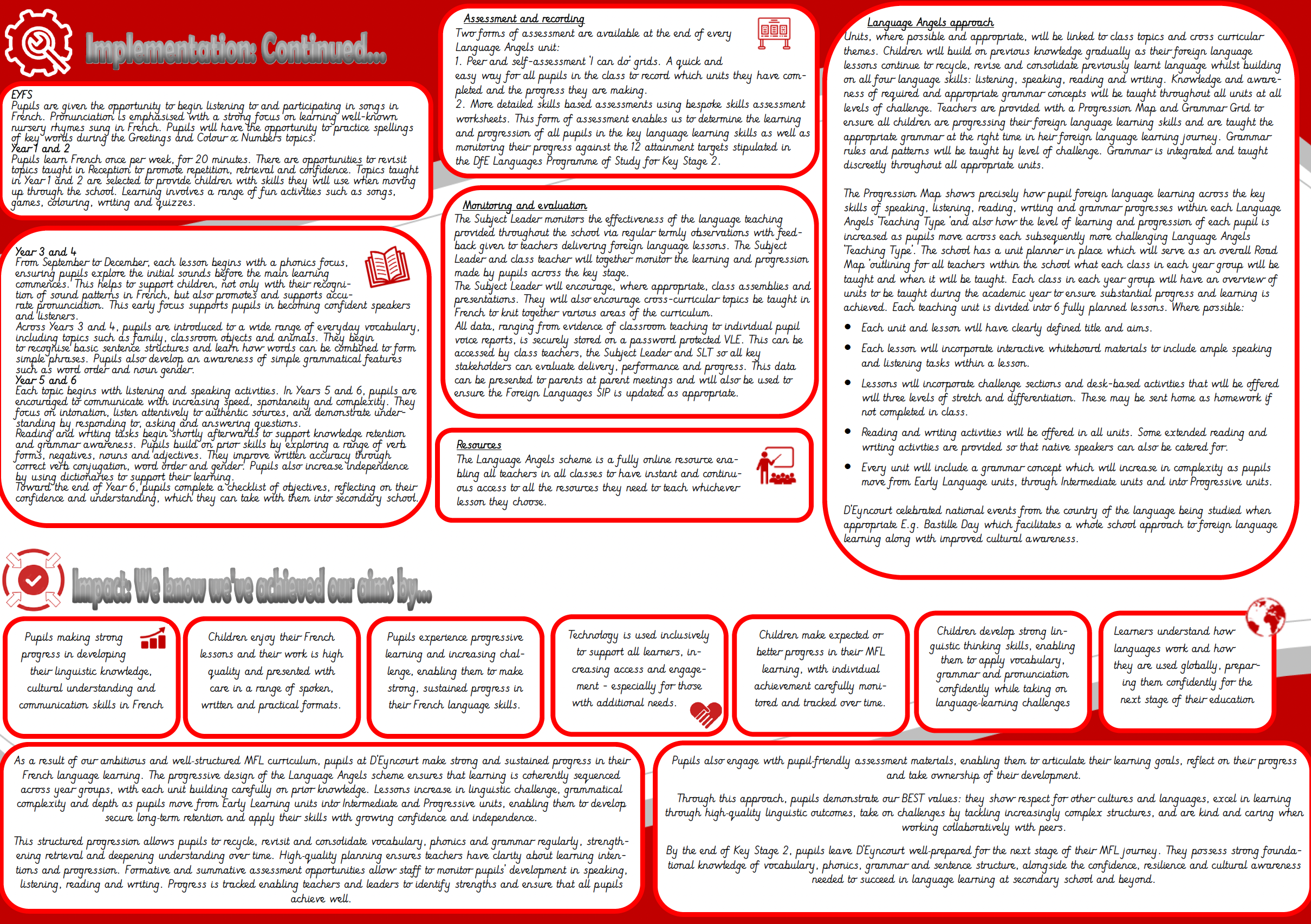
Pupils are given the opportunity to begin listening to and participating in songs in French. Pronunciation is emphasised with a strong focus on learning well-known nursery rhymes sung in French. Pupils will have the opportunity to practice spellings of key words during the Greetings and Colour & Numbers topics.
Year 1 and 2
Pupils learn French once per week, for 20 minutes. There are opportunities to revisit topics taught in Reception to promote repetition, retrieval and confidence. Topics taught in Year 1 and 2 are selected to provide children with skills they will use when moving up through the school. Learning involves a range of fun activities such as songs, games, colouring, writing and quizzes.
Year 3 and 4
Pupils are taught in structured 45-minute lessons, once per week. From September to December, each lesson begins with a phonics focus, ensuring pupils explore the initial sounds before the main learning commences. This helps to support children, not only with their recognition of sound patterns in French, but also promotes and supports accurate pronunciation. This early focus supports pupils in becoming confident speakers and listeners.
In the early stages of learning, listening and speaking activities form the core of lessons. Pupils practice responding to questions, repeating new vocabulary and taking part in simple spoken exchanges before moving on to reading and writing tasks. This approach helps pupils develop a secure understanding of spoken French and begin to recognise familiar vocabulary in written form.
Across Years 3 and 4, pupils are introduced to a wide range of everyday vocabulary, including topics such as family, classroom objects and animals. They begin to recognise basic sentence structures and learn how words can be combined to form simple phrases. Pupils also develop an awareness of simple grammatical features such as word order and noun gender.
Twelve topics are taught across a two-year rolling curriculum, ensuring that content is not repeated and that pupils steadily build a growing bank of vocabulary and language structures. Some topics, such as Romans and Habitats, are cross-curricular, enabling pupils to connect their language learning with wider curriculum themes and apply their growing vocabulary in meaningful contexts. This prepares pupils for more complex sentence building, reading and writing in the upper years of Key Stage 2.
Year 5 and 6
Structured lessons continue, with an emphasis on phonics from September to December, promoting repetition and accurate pronunciation.
Each topic begins with listening and speaking activities. In Years 5 and 6, pupils are encouraged to communicate with increasing speed, spontaneity and complexity. They focus on intonation, listen attentively to authentic sources, and demonstrate understanding by responding to, asking and answering questions. For example, listening to simple dialogues about daily routines and school life.
Reading and writing tasks begin shortly afterwards to support knowledge retention and grammar awareness. Pupils build on prior skills by exploring a range of verb forms, negatives, nouns and adjectives. They improve written accuracy through correct verb conjugation, word order and gender. Pupils also increase independence by using dictionaries to support their learning.
Twelve topics are taught across a two-year rolling curriculum, ensuring content is not repeated. Topics also support wider curriculum learning by making links to Science, Design & Technology and History. Pupils steadily widen their vocabulary, deepen their understanding of sentence structures, and develop greater independence, preparing them for secondary school language learning.
Toward the end of Year 6, pupils complete a checklist of objectives, reflecting on their confidence and understanding, which they can take with them into secondary school.
MFL at Deyncourt
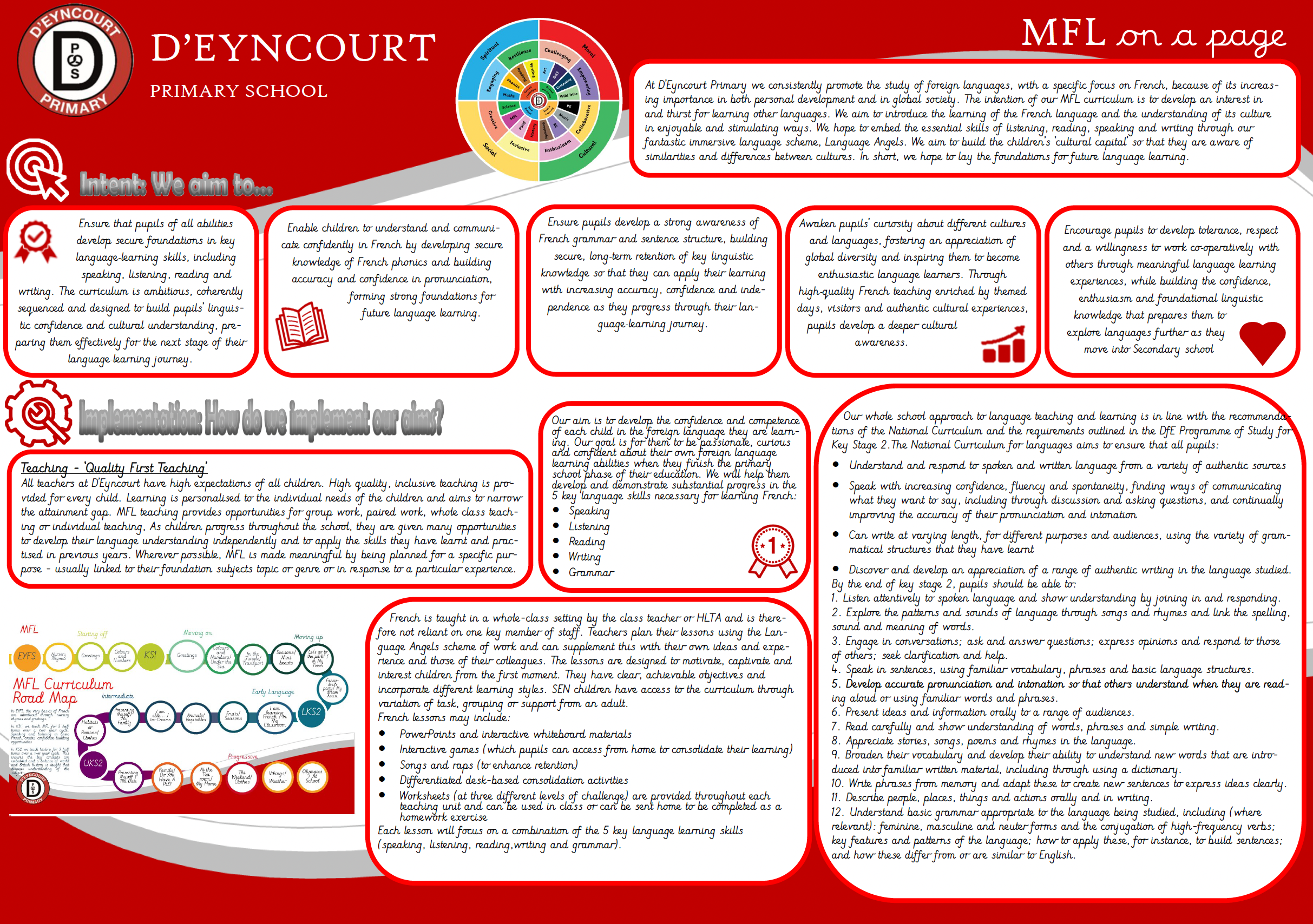
At D’Eyncourt Primary we consistently promote the study of foreign languages, with a specific focus on French, because of its increasing importance in both personal development and in global society. The intention of our MFL curriculum is to develop an interest in and thirst for learning other languages. We aim to introduce the learning of the French language and the understanding of its culture in enjoyable and stimulating ways. We hope to embed the essential skills of listening, reading, speaking and writing through our fantastic immersive language scheme, Language Angels. We aim to build the children’s ‘cultural capital’ so that they are aware of similarities and differences between cultures. In short, we hope to lay the foundations for future language learning.
Our aims at D’Eyncourt are:
- To enable children to understand and communicate in French.
- To develop an understanding of the phonics.
- To develop confidence of pronunciation.
- To develop awareness of grammar.
- To develop an understanding of sentence structure.
- To build long-term retention.
- To awaken an interest in different cultures and languages.
- To encourage tolerance and a willingness to work co-operatively.
- Readiness to explore languages further in Secondary school.

We are a one-and-a-half-form entry school and therefore it is essential that our lessons are differentiated to create lessons that are tailored to the child and as inclusive as possible. It is our intention to ensure that every child has access to quality teaching in MFL. It is our intention to ensure that every child has access to quality teaching in this area.
We have introduced a French Curriculum that is fun, both to teach and to learn. The National Curriculum requires children’s language learning to begin in Year 3 (Key Stage 2) but our belief is to encourage and enlighten children’s knowledge of French at the earliest opportunity, therefore, we teach French right from Reception through to Year 6.
Our lessons are designed to be both fun and educational, creating ample opportunities for students to practice their skills. Interactive resources from Language Angels ensure that children engage in speaking, singing, listening, playing games, and completing enjoyable activities, enriching their French learning experience.
At D’Eyncourt Primary, we believe that all pupils should experience the B.E.S.T that education has to offer, and for MFL, we do believe we have found this in Language Angels, promoting confidence in both children and staff.
All children can practice their French at home, using the Language Angels app and logging onto their own individual accounts.
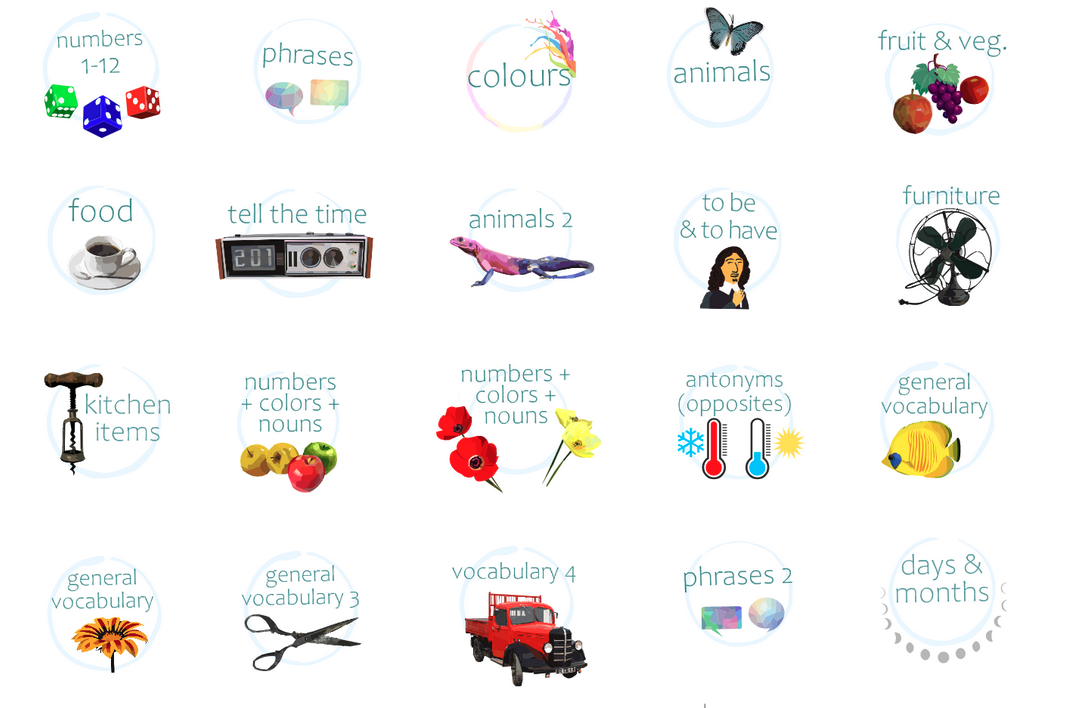
Key Vocabulary
Children can access their Language Angels account at any time to practice their language skills! Simply follow the link and log in using your child’s details to access a range of songs and games to support their progression of learning French. We encourage all pupils to practice regularly to encourage the use of and further development of the French language.
At D’Eyncourt Primary School, the children learn through a concept-based curriculum allowing them to learn beyond solely the topic facts. We follow the ‘Language Angels’
Scheme for the teaching of French. Within this approach, there are ‘Three Pillars of Language Learning’ which have become our key concepts. The ‘three pillars of language
learning’ are phonics, grammar and vocabulary. These are all built into all of our lessons, units and teaching types. Concepts are returned to throughout the year groups to
ensure children have a clear understanding of them and enable them to be held within their long-term memory. Please find below a list of concepts that the children at
D’Eyncourt Primary School focus on MFL.